The Orzbow sewing workshop
Covers and gear sewn for daily use
We sew everyday gear for strollers, car seats, soft carriers, and home spaces. Our catalogue is arranged by where a piece goes, whether it pulls over a frame, packs for a trip, or stays on the nursery floor.
What goes on a car seat, and what does not
Read this before you look at anything we sew. In a vehicle the rule is short: nothing we make, and nothing anyone else makes, belongs between your child and the harness.
Over the outside, after the buckle
- A cover that drapes over the top of the carrier, the way a shower cap sits over a bowl. It touches the shell and the canopy, and nothing that holds your child.
- An open back, so you can lift the flap, tighten the straps against your child, and drop the flap again.
- A blanket laid on top once the harness is done up. It comes off in one motion if the car gets warm.
- Anything that ends up over the face comes off before you drive. That is not a thing to judge by feel from the front seat.
Under your child, never
- A sleeping bag style cover with a back panel. That panel sits between the shell and your child, it squashes flat under load, and the harness you tightened is then loose.
- Padding, inserts or head supports that did not come in the box with the seat.
- A puffy coat, which does the same thing as padding. Off, buckle, then the coat back over the top.
- Strap covers and pads threaded onto the webbing from somewhere else.
One more thing, said plainly. The federal standard for child seats in the US, FMVSS 213, tests the seat. It does not cover accessories, so nobody selling an accessory can honestly say it was crash tested with your seat, because that test does not exist. Some seat makers also write in the manual that a third party cover ends the warranty. The manual that came with your seat outranks any shop, including us.
Daily workshop picks
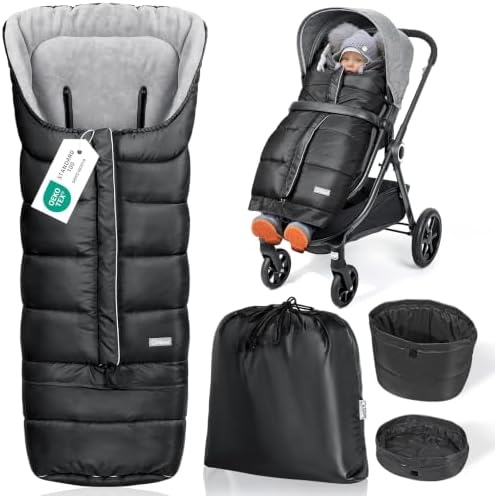
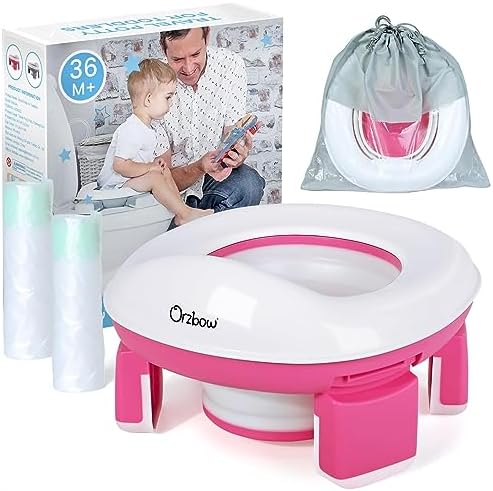
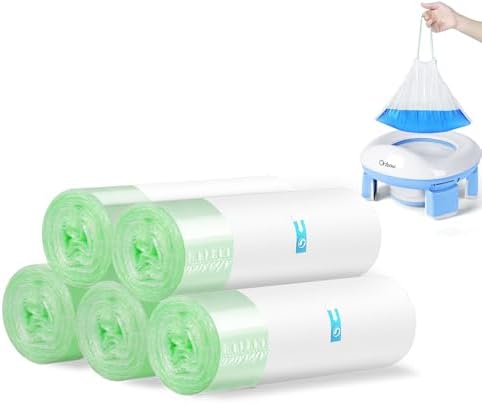
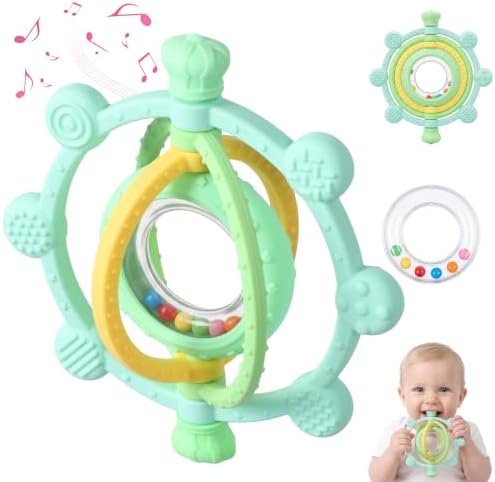
These footmuffs, car seat covers, and mesh nets are the pieces parents reach for most often.

Three steps, in this order
The order is the whole trick. Warmth last, harness first.
The coat comes off
Thick outerwear goes on the back seat or in the trunk. This is the least popular sentence in January and the one that changes the most.
Buckle, then pinch
Tighten the harness against a thin layer. Then pinch the webbing flat at the shoulder between finger and thumb. If you can gather a fold of strap, it is still loose.
Warmth goes on top
Now add the blanket, the coat laid backwards over your child, or a cover that sits over the outside of the shell. All the warmth you wanted, none of it under the straps.
Sorted by where things go
Find panels cut for car seat shells, footmuffs for strollers, carrier covers, travel bags, and pieces for the house.
Nine workshop sections
Browse all nine groups of covers, buntings, nets, bath stands, and nursery essentials.
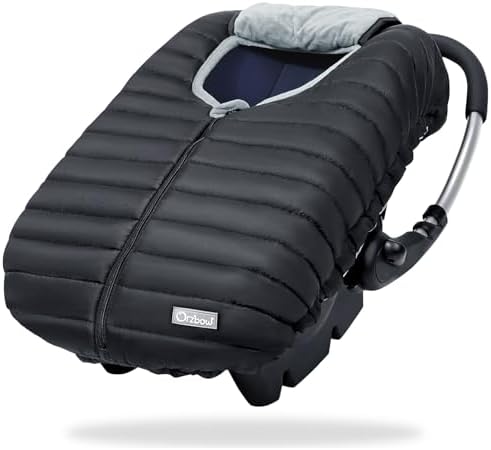
Winter Car Seat Covers
Outer covers that drop over an infant carrier from the top. The shell stays as its maker built it.
21 pieces
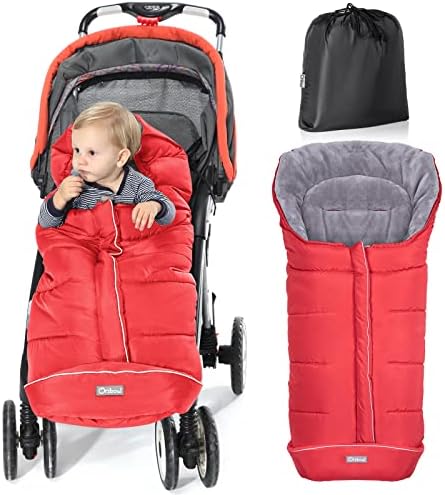
Stroller Footmuffs & Carrier Covers
Footmuffs with harness slots for a stroller seat, and wrap covers cut for soft carriers.
45 pieces
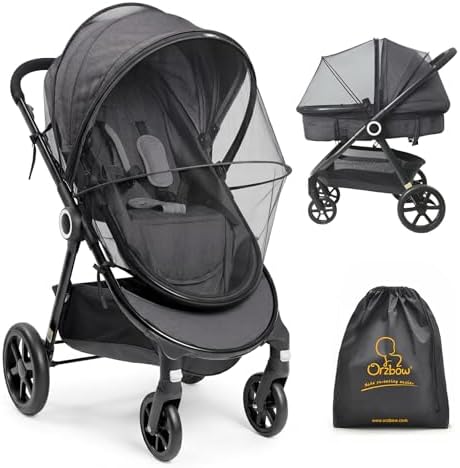
Mosquito Nets & Sun Shades
Open weave held off the face by its own ring, plus shade panels that cut light without cutting air.
39 pieces
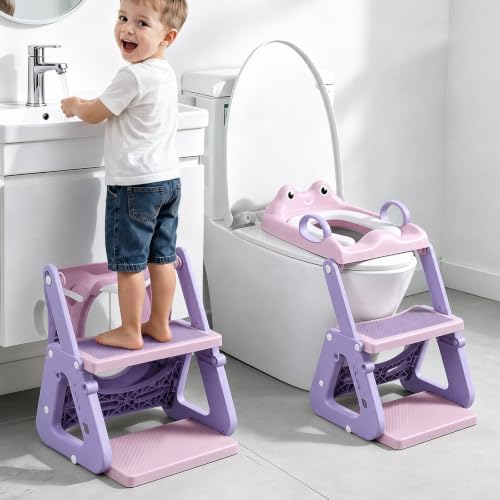
Potty Training
Folding travel potties, reducer seats and step stools, sorted by whether they stand on their own.
25 pieces
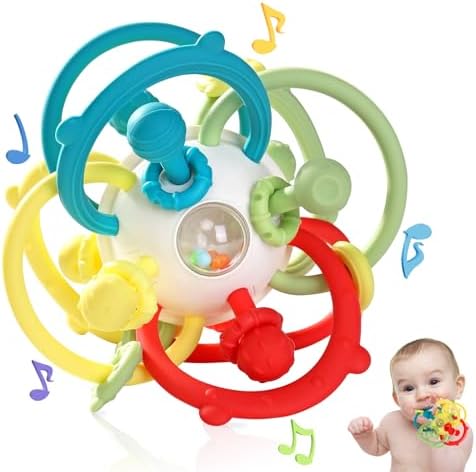
Bouncers, Teethers & First Toys
Silicone teethers and rattles, arch toys over a bassinet, rocking seats, and the memory book that gets filled in once and kept.
22 pieces
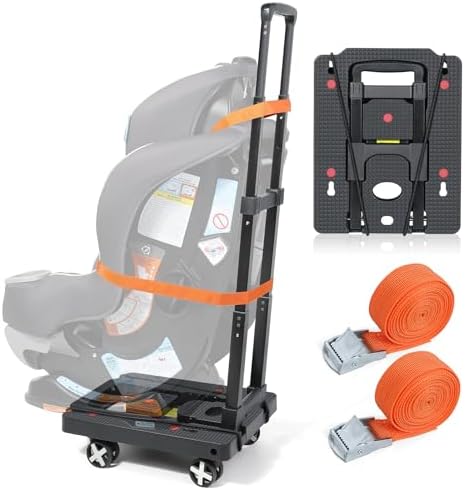
Travel Gear
Padded oxford bags for gate checking a seat or a stroller, and the small things that travel with them.
9 pieces
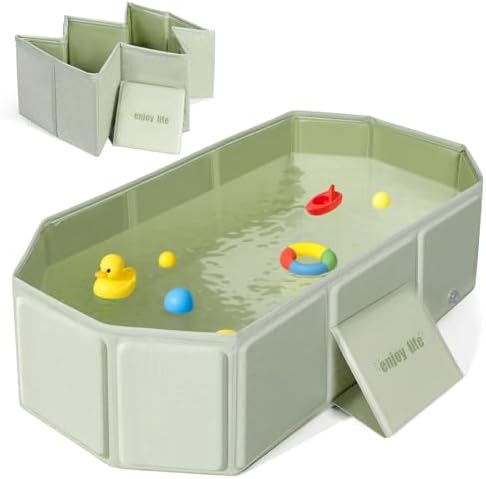
Baby Bathtubs & Bath Stands
Folding tubs that pack flat for a trip, and the stands that lift one to adult height.
14 pieces
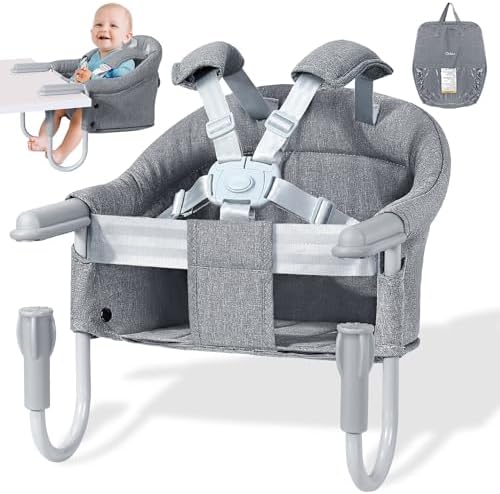
High Chairs & Toddler Towers
Seats that clamp straight onto a table edge, and the step towers that bring a toddler up to the counter.
7 pieces
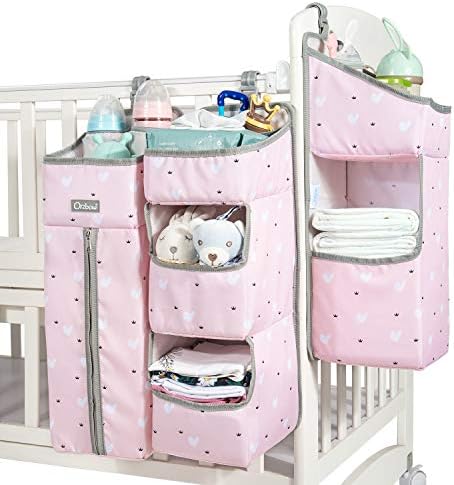
Nursery Storage & Proofing
Rolling caddies and hanging organisers for the changing corner, the covers that go over what a crawler finds, and the ear muffs for a room that is too loud.
8 pieces
Find the right panel
Answer three short questions about where the piece goes, current weather, and child size to narrow down the full catalogue.
Cold weather covers
Outer shells made of oxford cloth and pongee with center zips, fold back flaps, and lofted plush linings.
How to choose a piece
- 1
Pick the gear
Decide whether the piece fits onto a car seat, a stroller frame, a carrier, or goes in a travel bag.
- 2
Check the weather
Match windproof pongee outer panels or breathable mesh canopies to the conditions outside your door.
- 3
Choose the closure
Look at how the front zip, snaps, or elastic edge open up when you need to lift a child out quickly.
Fit details from our listings
Our listings show the shell shapes, harness slots, and frame styles each cover design is cut to match.
| Section | What is measured | Stated on the pieces | Pieces |
|---|---|---|---|
| Winter Car Seat Covers | What it goes over | infant carrier shells | 21 of 21 |
| Stroller Footmuffs & Carrier Covers | What it goes over | stroller seats; soft carriers; infant carrier shells | 45 of 45 |
| Mosquito Nets & Sun Shades | What it goes over | bassinets; infant carrier shells; stroller seats; and 1 more | 37 of 39 |
| Potty Training | What it goes over | standard toilets; most frames, no single model | 22 of 25 |
| Travel Gear | What it goes over | soft carriers; stroller seats; most frames, no single model; and 1 more | 9 of 9 |
| High Chairs & Toddler Towers | Stated age or weight | 6-36 months | 5 of 7 |
Care and washing guidance
Do
- Zip all front zippers and close velcro tabs before washing.
- Wash fleece and pongee covers on a cool cycle.
- Air dry padded footmuffs flat instead of using heat.
- Brush dried crumbs out of plush linings before storage.
Do not
- Do not use bleach on polyester or cotton panels.
- Do not iron coated waterproof or windproof outer shells.
- Do not pack padded travel bags into bins while damp.
- Do not fold mesh nets tightly along the same crease.
Arranged by where it goes
We organize our catalogue by where a piece goes instead of using vague season names. A bunting on a stroller faces wind differently than a shell over a car seat. Sewing for specific gear shapes helps us place zips, fleece linings, and harness slots exactly where they work best.
Everyday covers and gear built for practical use
Choosing gear starts with the frame you use each day. We sew car seat covers with elastic borders that wrap the outer plastic edge, stroller footmuffs with rear harness openings, and carrier panels that clip to shoulder straps. Matching the piece to the specific frame makes daily outings simpler, with no bulky fabric bunching under harness straps.
Daily use comes down to closures and care. Center zippers let you fold back a top flap when moving indoors, while side snaps hold open panels out of the way. When cloth gets dirty, our polyester and pongee shells pull off quickly for a machine wash on Sunday, ready to pack away or use again next morning.
- There are thirty pieces sewn over car seat shells.
- We make fifty five covers for stroller frames.
- Our workshop sews seven covers over soft baby carriers.
- We offer twenty six designs packed for a trip.
- The catalogue holds seventy two pieces around the house.
Where to start with our range
Start with the place where you spend the most time outside. If you push a stroller daily, look at footmuffs with harness slots. For travel, look at gate check bags or folding potties. We also wrote a plain talk page about what goes in a car.
Notes from the sewing room
Questions we get asked before an order, answered at length rather than in a line.
Before you buy anything
A footmuff in the car seat: what can go under your child
The same word covers two different objects. One of them belongs nowhere near a harness.
Winter routine
Dressing a baby under a cover without adding bulk
Thin layers, harness, then warmth. The order does more work than the fabric does.
Warm weather
Mesh, a blanket or a rain cover on the stroller
Three things get draped over a stroller hood in summer and only one of them lets air through.
Asked before buying
Can I use a footmuff in the car?
Does it fit my seat?
Will my baby get too warm under a cover?
Where should a mosquito net sit?
How do these wash?
Do you actually make these?
Gear sewn for the daily routine
Explore 190 pieces cut from durable fabrics, designed for strollers, car seats, carriers, and home spaces.